The Identity and Background of Abgar u'Komo
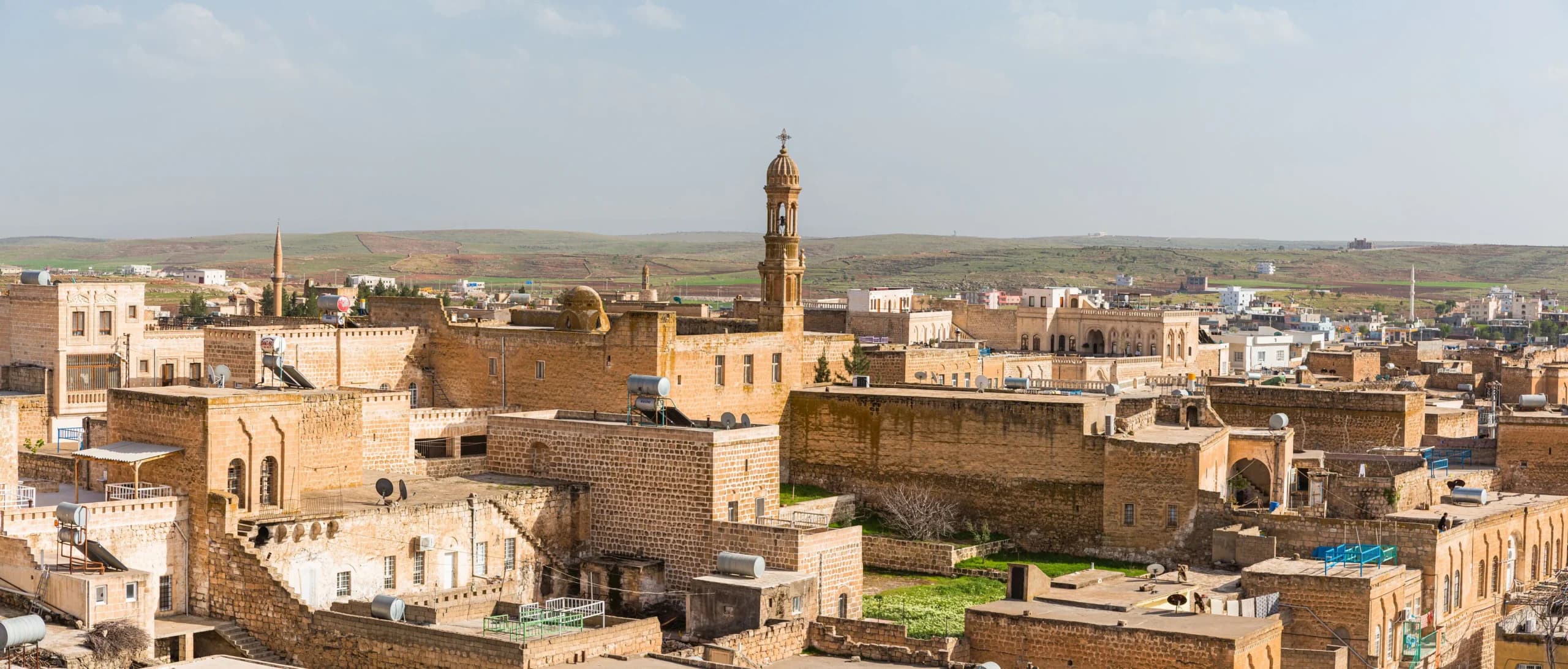
King Abgar V of Edessa, also known as Abgar u'Komo (“Abgar the Black”), was an Aramean ruler of the ancient city of Edessa in Mesopotamia who is traditionally associated with the famous correspondence with Jesus Christ, one of the earliest legends of Christian history.
During Christ's earthly ministry, when He came and was made manifest in the world, Augustus Caesar ruled in Rome, while in Edessa reigned Abgar son of Maʿnu, known as "the Black" (Abgar u'Komo) on account of his dark complexion. He was an Aramean king of Mesopotamia, and the Letters of Jacob of Serugh identify him as the faithful son of the Arameans. The Book of the Bee and Cave of Treasures likewise call him Abgar the Aramean.
After the former royal line of Edessa had come to an end, the people who had settled and grown strong in the region raised up a king from among themselves by the name of Abgar. He and his descendants ruled over Edessa and Mesopotamia for many generations, and a number of his successors carried the name Abgar after their founding king.
Elia of Nisibis adds to this narrative that in 25 AD, Abgar the Black reigned in Edessa for only forty days before his brother, Abgar the White, drove him out and took the throne for six years.
Images of the Savior
The Acts of Mor Mari records that there existed a bronze image of a man wrapped in a cloak, stretching out his hand toward a woman. This, it explains, was a representation of the likeness of Christ. Those who had been helped by the Savior used to fashion His image in various places using fine pigments and colors, and these images endured as a memorial of His deeds.
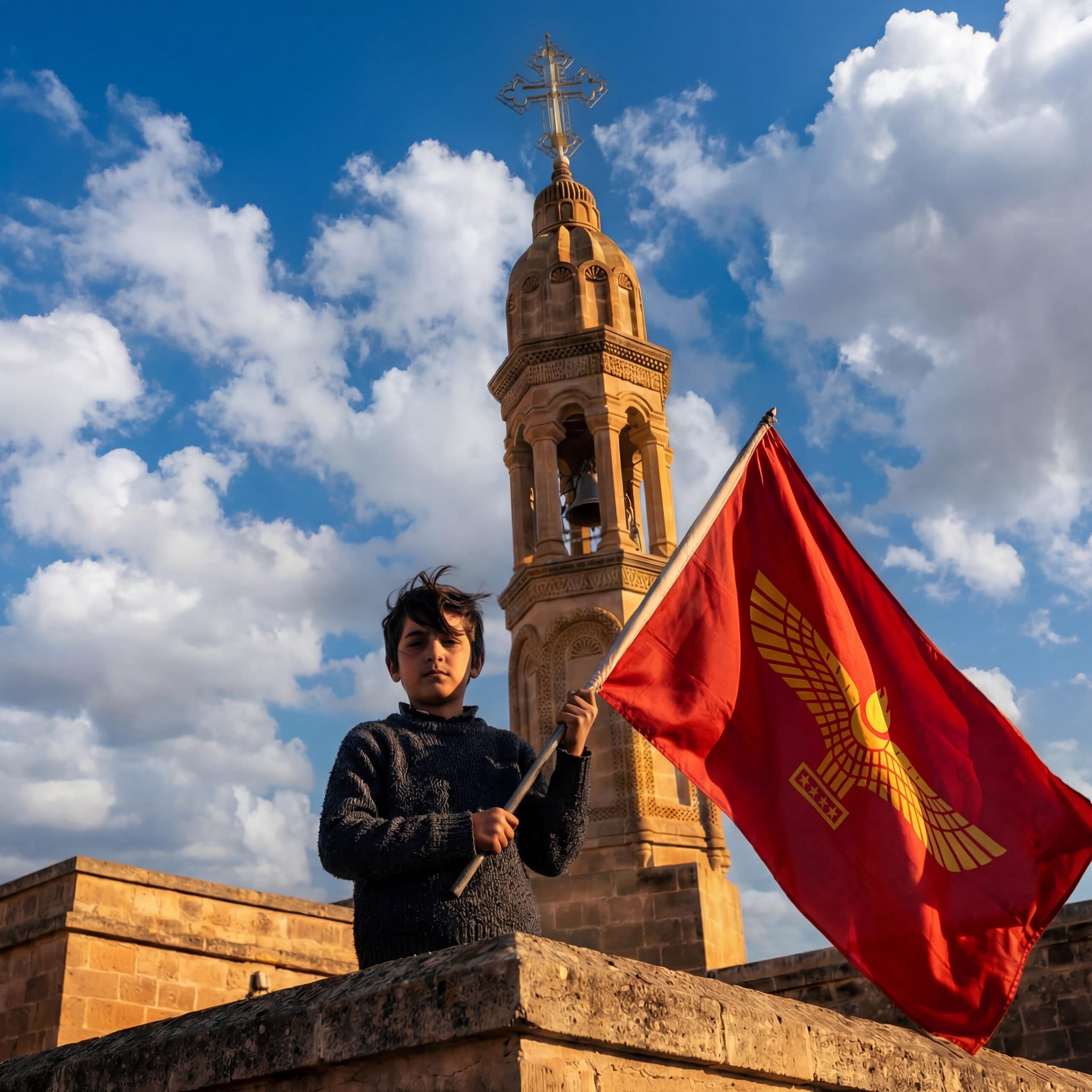
It is further written that in earlier times, in a dim and shadowy way, the children of paganism honored the Savior in this form, not only beside the woman, but also beside the king, as a winged symbol of the hope of the kingdom of heaven, as the ancient narratives relate.
Abgar's Illness and His Letter to Christ
The good report of the healing power of Christ eventually reached Abgar, lord of the city of Edessa. Abgar suffered from a severe illness, a constant, grievous pain in his body, specifically gout in the feet. To make matters worse, the king of the Persians, who had established his throne in Assyria, was at that time greatly harassing the Aramean king of Edessa.
When Abgar heard that the Savior was performing mighty works, signs, and wonders, he wrote Him a letter and dispatched messengers and envoys, asking that Christ come to him and heal him. In 30 AD, Abgar sent his envoys to Christ.
Thus he wrote to Him in his letter:
"Abgar the Black, ruler of the region, to Jesus the Savior, peace. I have heard that you cleanse lepers, cast out unclean spirits, and drive away demons. And I have thought concerning you that you are God, and the Son of God, who has come for the healing of creation. I have a grievous illness, and I ask of you that you come to me and heal this pain. And I have also heard concerning you that the Jews who are with you hate you and seek to do evil to you. And if you wish, I have one small city that is sufficient for me and for you, and enough for two, and we shall dwell in it in peace."
This letter is recorded across the Acts of Mor Mari, the Chronicle of 1234, Bar Hebraeus, Eusebius of Caesarea, and the Byzantine tradition, all preserving the same core narrative. Eusebius, drawing from the public archives of Edessa, adds that Abgar ruled with great glory the nations beyond the Euphrates, that the letter was sent by Hanan the swift courier, and that Abgar also mentioned Christ making the blind to see and the lame to walk, healing those afflicted with lingering disease, and raising the dead. The Chronicle of 1234 adds that the healing was worked by Christ's hands without medicines or roots. The Byzantine tradition addresses Christ as "the Good Physician" and describes Edessa as "very small but distinguished."
The Envoys in Jerusalem, the Image, and Christ's Reply
The envoys arrived in Jerusalem on the fourteenth of the month of Nisan and found the Messiah in the house of one of the chief priests of the Jews. The letter was read before Him.
Because Abgar was not granted the sight of Jesus in person, he was filled with great distress. Longing for the face of the one he could not meet, he had summoned skillful painters and commanded them to accompany his envoys, paint the face of Christ, and bring the image back to him, so that by gazing upon the likeness he might rejoice as though in Christ's actual presence. He had also instructed Hanan the painter that if Christ would not return with them, they should at the very least bring back an image of Him on a panel. The Byzantine tradition adds that Hanan, upon arriving in Jerusalem, saw the Lord surrounded by people listening to Him preach. He handed Abgar's letter to Christ, and as the crowd were flocking to Him, Hanan climbed up onto a small rock to attempt to paint the portrait of the Lord. His effort, however, was not successful, because he was quite unable to capture the exact form of Christ, since His appearance seemed to change from one moment to the next.
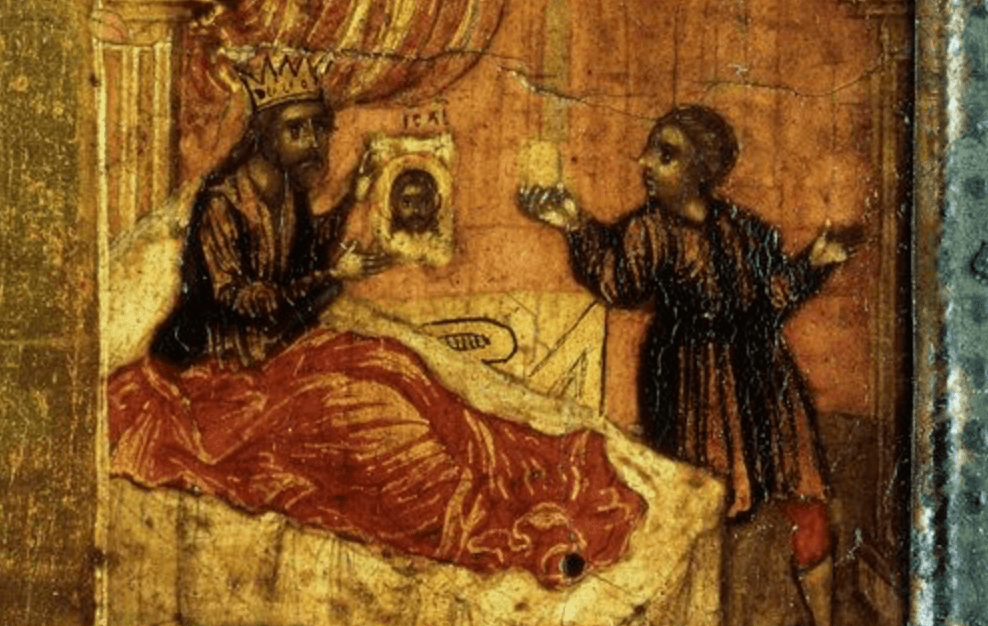
The painters likewise found themselves unable to capture His venerable human appearance. Christ, however, perceiving Abgar's love toward Him through His divine knowledge, and seeing that the painters could not portray Him as He truly was, took a cloth and pressed it upon His own face, the Life-Giver of the world, and the cloth bore His likeness. The Byzantine tradition offers a slightly different account of this miracle: the Lord asked for water to wash His Face, and was handed a cloth folded in four. When He dried His Face with it, His Most Pure and Divine Face was imprinted on the cloth.
Bar Hebraeus adds to this narrative that in the nineteenth year of Tiberius, Abgar sent a painter named John Hanania, who served as a tabularius or secretary. According to this account, Hanania painted the image of Jesus on a board and brought it to Abgar.
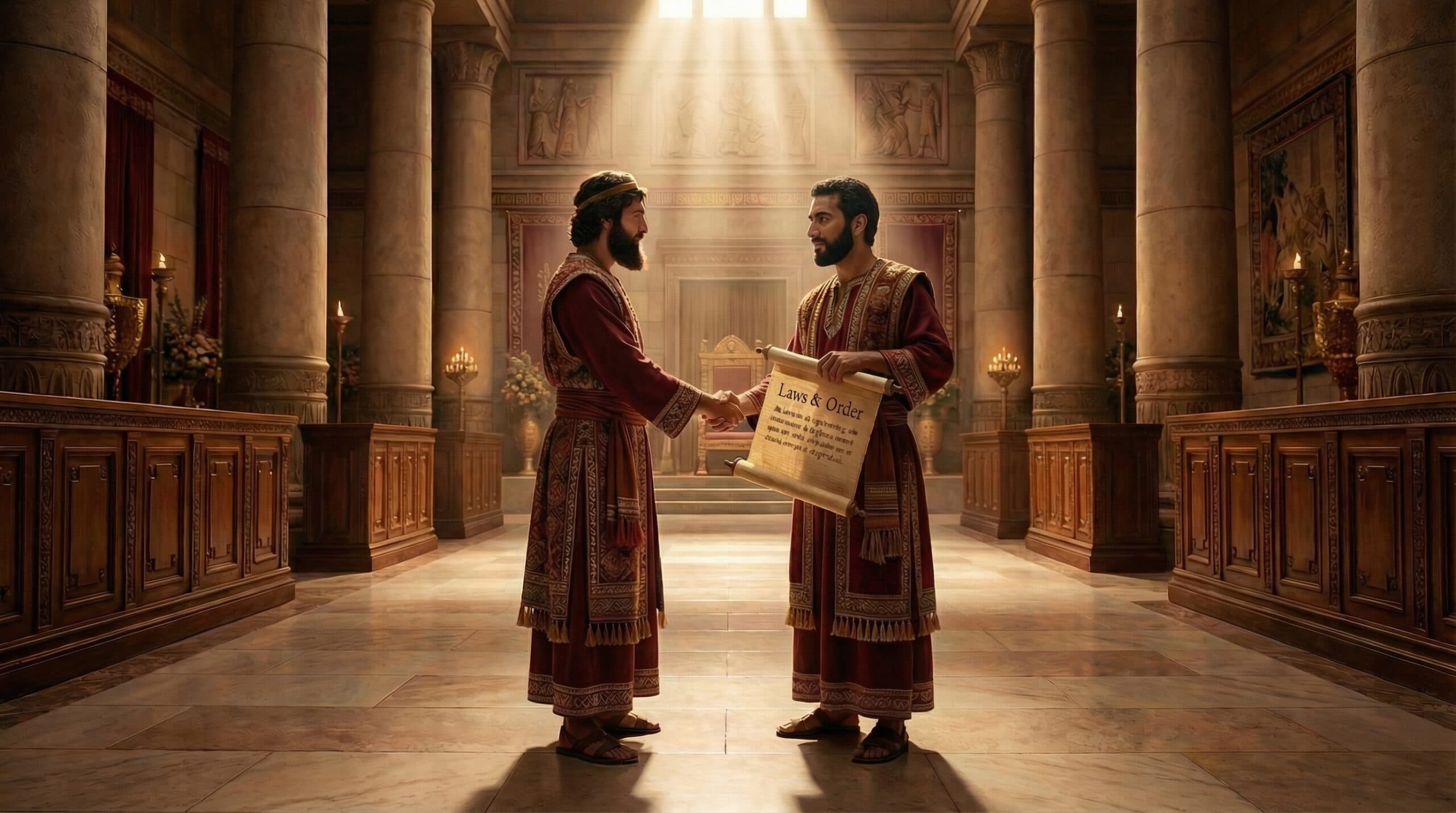
It did not appear fitting to Christ that His message should go forth to the house of the Gentiles before His resurrection. He therefore did not send apostles to Abgar, but instead composed a written reply:
"Concerning me it is written: Blessed are those who have not seen me and have believed in me. But now, I must fulfill the work for which the One who sent me has asked. Yet after my resurrection, and after I have ascended to heaven, I will send to you one of my disciples, and he will heal your pain. He will also give life to you and to those who are with you. And your city shall be blessed, and the enemy shall not rule over it."
This reply is likewise recorded across the Acts of Mor Mari, Eusebius, Bar Hebraeus, and the Byzantine tradition, all preserving the same substance. Eusebius adds that Christ said those who have seen Him will not believe in Him, and that those who have not seen Him will believe and be saved. The Byzantine tradition adds that Christ named the disciple He would send as Addai, and promised that he would grant Abgar and those with him Eternal Life and peace, and make his city such that no enemy could prevail against it.
He then gave the cloth to Hanan, saying: "Go, give this back to the one who sent you." He also promised to send His disciple to heal Abgar and guide him to salvation.
The Return to Edessa
The cloth and letter were brought back to Edessa. The Acts of Mor Mari records that the cloth was deposited there like a fountain of help. When King Abgar heard of the envoys' return, he received the letter with great joy. As they recounted the wonders being performed in the land of the Jews, he was amazed and marveled at the power of God.
The Chronicle of 1234 adds that Abgar went out to meet the envoys together with the whole city and received them joyfully. He was blessed by the holy cloth they carried and found some relief from his pain. The Byzantine tradition similarly records that the king reverently pressed the Holy Cloth to his face and received partial healing; only a small trace of the terrible affliction remained until the arrival of the disciple promised by the Lord.
The Coming of Addai and the Healing of Abgar
As Christ had promised, after His ascension the blessed Addai, one of the Seventy, traveled to Edessa. The Letters of Jacob of Serugh describe Addai's arrival as reaching Beth Oromoye, the land of the Arameans, so that the symbols drawn by the patriarch Jacob would be fulfilled through him. And so in Urhoy (Edessa), he opened up a great fountain of living waters.
The Acts of Mor Mari provides a detailed account of Addai's arrival. Thomas, one of the Twelve, sent Addai, who was one of the seventy-two disciples and a follower of Thomas, to the city of Edessa. When he arrived, he took up residence in the house of a man named Tobias and began to perform miracles. When news about him reached the king, Abgar was informed that the disciple of Jesus had come. The king sent for Tobias, saying: "I heard that a powerful man resides in your house. Bring him up to me now!" Immediately, Tobias brought Addai before the king.
When Addai entered the king's presence, while a great crowd stood before him, Abgar saw an awe-inspiring scene in the person of Addai and fell down, paying homage to him. The nobility, not realizing the source of this glory, were utterly surprised that a man wearing humble garments could move the king so deeply. Eusebius specifies that a great vision appeared to Abgar in the countenance of the apostle, but that those who stood about were astonished because they did not see the vision, which appeared to Abgar alone. Christ showed the glory of His majesty to Abgar through the one who had come to him.
Addai said to the king: "Why did you call me?" The king replied: "I have heard about you, that you perform miracles and signs, and I realized that you are the disciple of Jesus who told me in writing: 'After my resurrection I will send you one of my disciples.' Indeed you came to me to heal me!" Addai said to him: "If you believe, your requests will be answered. Everything is granted to the one who believes." Then the king said: "I believed in him in such a way that I sought to send an army to destroy the Jews who crucified him, if the Roman kingdom did not withhold me."
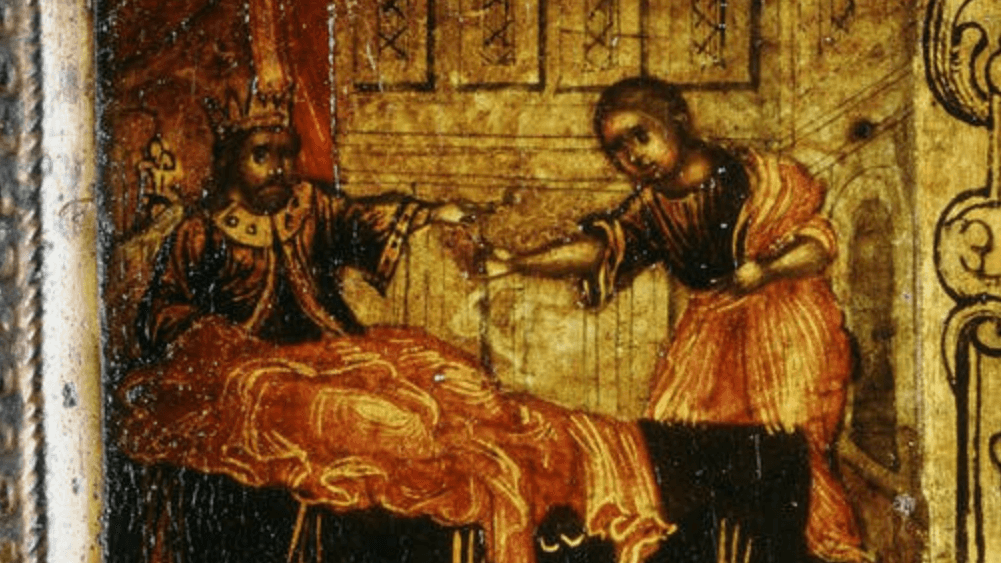
Addai then laid his hand upon Abgar, and through the power of Jesus all his illnesses were healed. The king was astonished and even stunned at this wondrous sign, that he had been cured of the disease in his feet, known as gout. Addai also baptized him and healed him completely. Beyond the king, Addai healed one of Abgar's servants, a man named Abd bar Abdou (whom Eusebius names as Abdus son of Abdus), who was also afflicted with gout. He too rose up and fell at the feet of the blessed Addai. He also healed many others among the people of the city, and when the king and his nobles witnessed these signs, they began to speak to him.
Addai's Preaching and the Conversion of Edessa
When the king and his nobles saw the signs that Addai performed, they said to him: "We beg you to tell us: Jesus, who was He? What did He teach? What did He do?" Addai told the king that the hour was late, but that if the king wished, he should summon all his forces and Addai would come in the morning to relate to them the story of Jesus. The king accepted gladly and sent to gather all his nobles.
Addai came in the morning and began to teach about the divine economy: how God created the universe and fashioned human nature, the promises He had made to the generations of old, the coming of the prophets, the advent of Christ and the signs He performed, and the resurrection and ascension of Christ to heaven. He spoke of the authority Christ gave to the prophets and the disciples to preach among the nations. Eusebius records that Addai also spoke of Christ's abasement and humiliation, how He humbled Himself and was crucified, descended into Hades, burst the bars which from eternity had not been broken, raised the dead, and ascended to His Father, for He descended alone but rose with many. The king praised his words, and the Holy Spirit confirmed them through the performance of signs.
Eusebius adds that afterward, Abgar ordered gold and silver to be given to Addai, but he refused to accept it, saying: "If we have forsaken that which was our own, how shall we take that which is another's?" Eusebius notes that these things were done in the three hundred and fortieth year of the Seleucid era (28 AD).
The city and its surroundings converted on account of the wonders that occurred at the hands of Addai. The people of Edessa were instructed in the faith, all were baptized, and they became Christians. After a short while, the whole of Mesopotamia was drawn to faith in Christ. Many among those who accepted the faith devoted themselves to virtuous conduct.
Abgar's Wrath Against the Jews
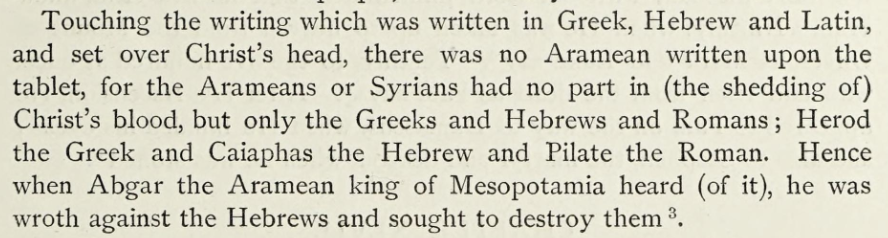
The Book of the Bee and Cave of Treasures record that the inscription set over Christ's head at the crucifixion was written in Greek, Hebrew, and Latin, but no Aramaic appeared on the tablet, for the Arameans had no part in the shedding of Christ's blood. Only the Greeks, Hebrews, and Romans bore that guilt: Herod the Greek, Caiaphas the Hebrew, and Pilate the Roman. When Abgar the Aramean king of Mesopotamia learned of this, he was filled with wrath against the Hebrews and sought to destroy them.
He immediately sent letters to the king of the Greeks, accompanied by gifts and honors, urging him to take vengeance on the Jews. The Greek king was persuaded and sent men who killed the leaders of the Jews. The narrative identifies Tiberius as the one to whom Abgar had written.
Bar Salibi adds to this narrative, explaining that Pilate wrote the title over the cross in three languages to show that the Jews had acted against their king out of envy. By that inscription, he shut their mouths and left no room for their accusations. Mar John explains that Pilate did this for two reasons: first, he feared being accused before Caesar for having crucified a righteous man who had worked wonders; and second, so that the truth of what had happened might eventually come to light. For Abgar wrote to Caesar about the matter, and Pilate was subsequently removed from his authority. Because Pilate did not wish Jesus to be proclaimed king, yet also did not want to side with the Jews, he wrote simply: "This is the King." Others hold that it was the dispensation of God that moved Pilate to write the title, so that Christ's crucifixion might afterward be distinguished from that of the robbers. Still others say he wrote it according to custom, since every judge who crucified a man recorded the charge, lest it be thought the man had been seized unjustly. The crucifixion took place near the city so that Christ's victory might be known to many, and because it was outside the walls, it became known both to those nearby and to those far away. The title was written in Hebrew, Greek, and Roman, that is, in three scripts and languages.
Works and Legacy at Edessa
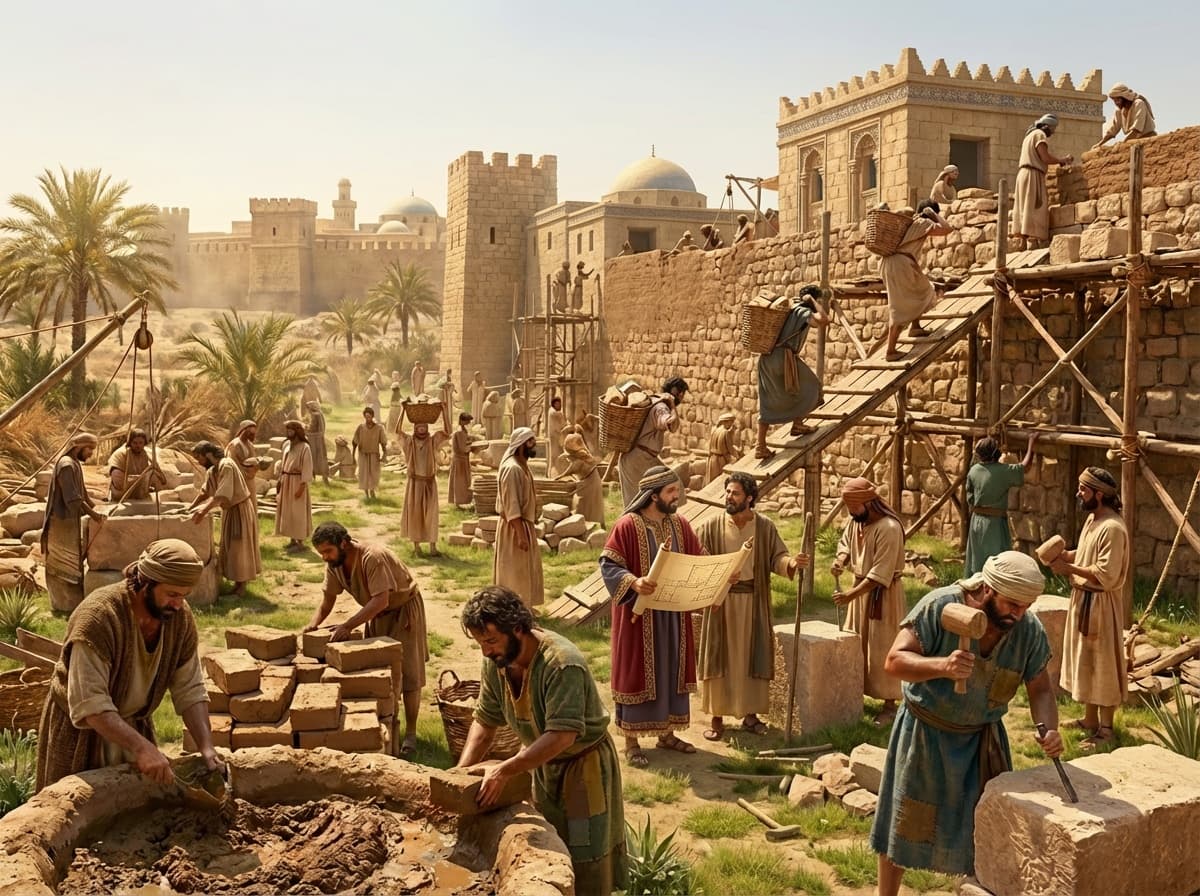
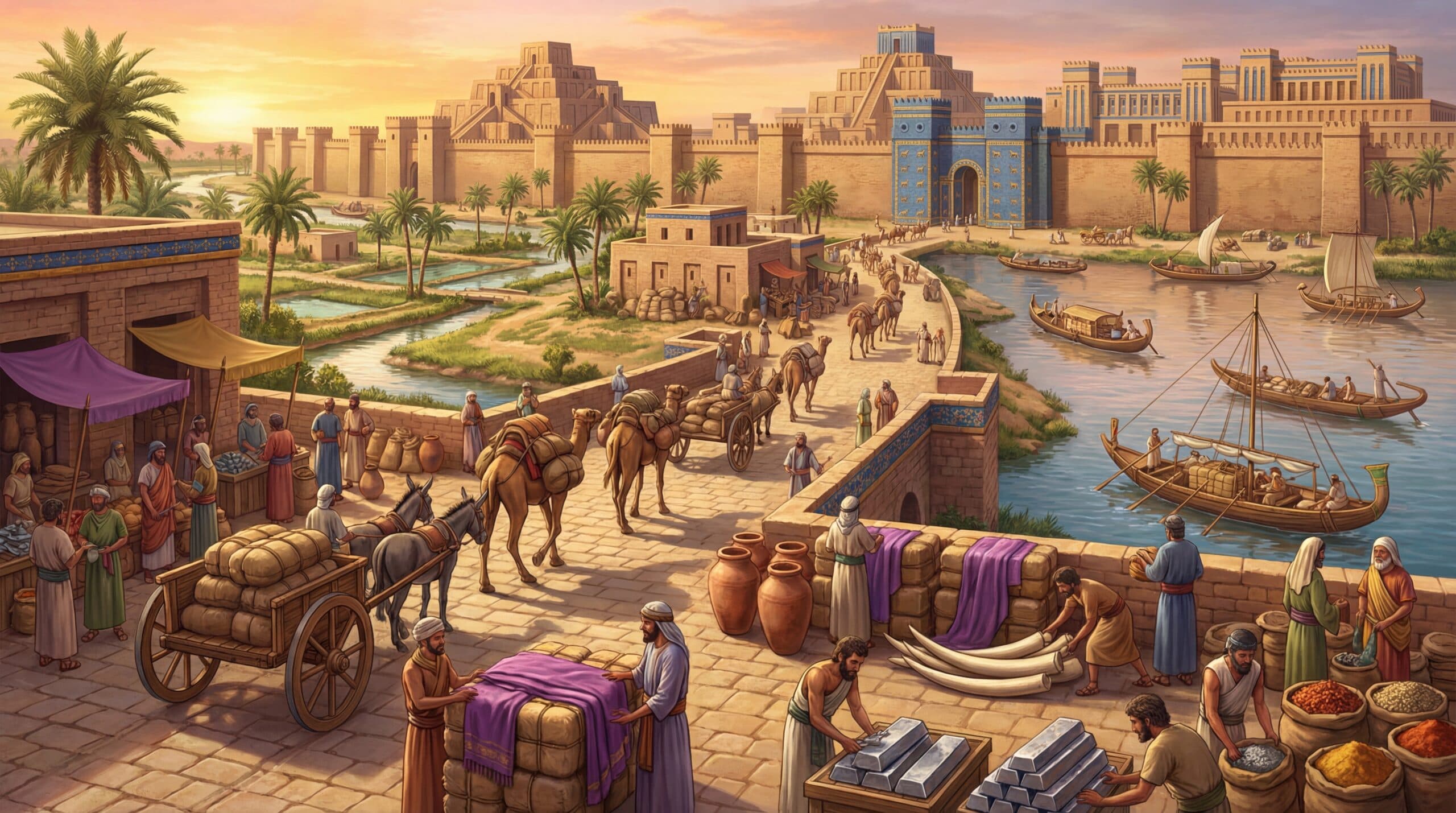
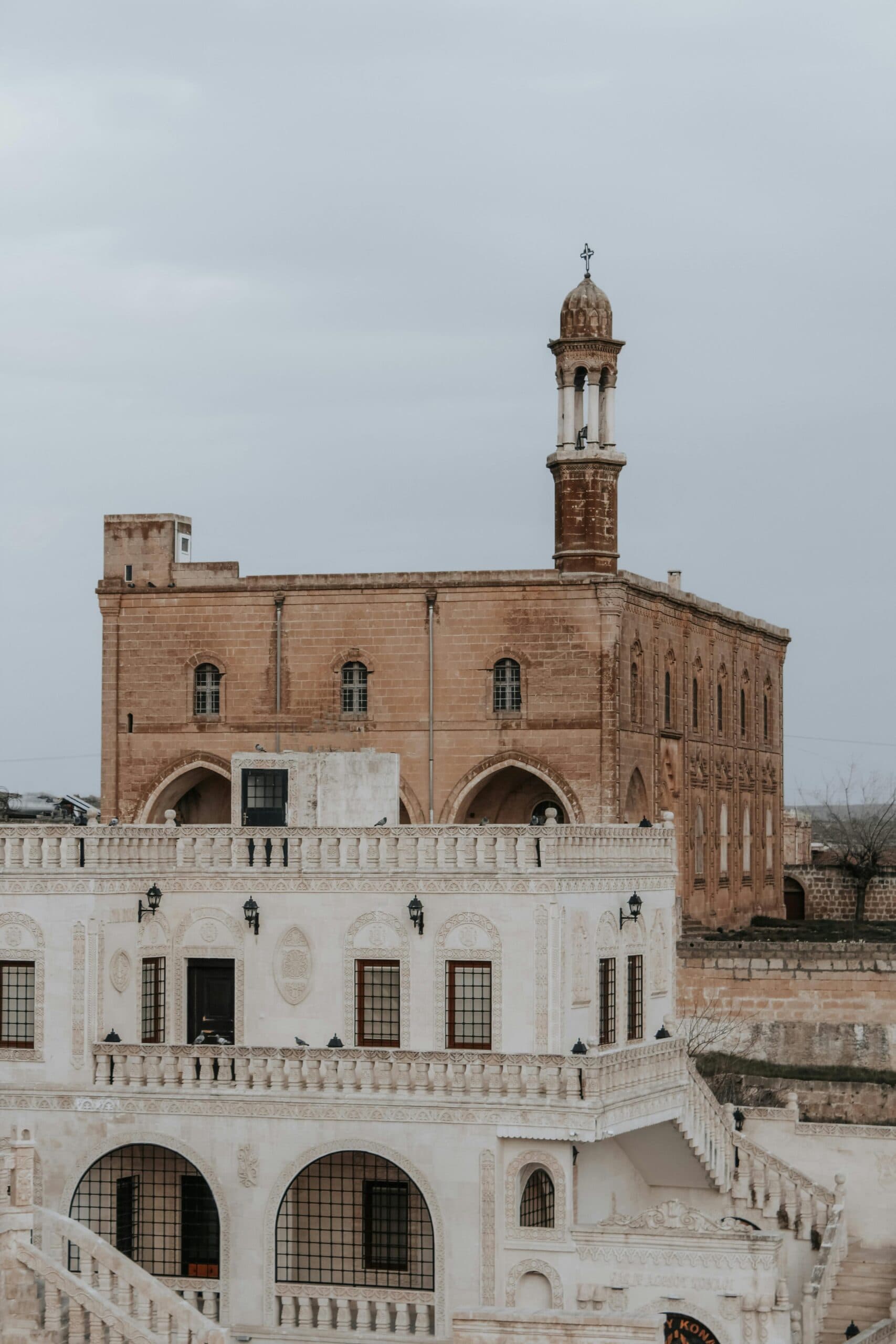
With great diligence and the zealous support of King Abgar, a major construction project was carried out at Edessa. A great stone embankment or dam was built at the head of the stream outside the western wall of the city, at the place known as the stream of the stadium. It was founded with massive stones, plastered with lime and mortar, and dug deep into the ground until it met the surrounding outer ditch on the north side. A great church was also erected there, and holy relics were placed within it. In 88 AD, King Abgar built that shrine in Edessa. Later, in 201 AD, a devastating flood struck Edessa and killed more than a thousand people.
According to the Byzantine tradition, Abgar placed the Holy Cloth in a gold frame adorned with pearls and set it in a niche over the city gates. On the gateway above the Icon he inscribed the words: "O Christ God, let no one who hopes on Thee be put to shame." For many years the inhabitants kept a pious custom of bowing before the Icon Not-Made-by-Hands whenever they passed through the gates.
One of the great-grandsons of Abgar, who later ruled Edessa, fell into idolatry and decided to take down the Icon from the city wall. In a vision, the Lord ordered the Bishop of Edessa to hide the Icon. The Bishop, coming by night with his clergy, lit a lampada before it and walled it up with a board and bricks. Many years passed, and the people forgot about it. But in 545 AD, when the Persian Emperor Chozroes I besieged Edessa and the position of the city seemed hopeless, the Most Holy Theotokos appeared to Bishop Eulabius and ordered him to remove the Icon from the sealed niche. Having opened the niche, the bishop found the Icon Not-Made-by-Hands still intact; in front of it the lampada was still burning, and upon the board that had sealed the niche, a copy of the Icon had been miraculously reproduced.
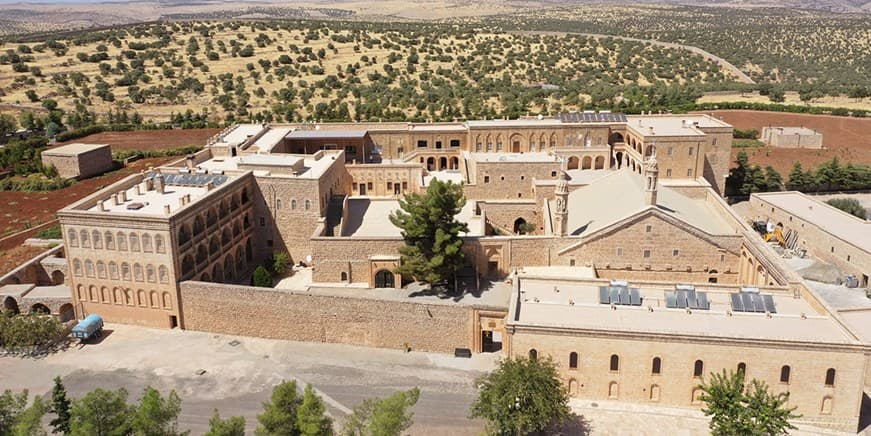
Outside the city there was also a spring associated with healing those who suffered from gout. Since the holy mandylion of Christ had been sent to King Abgar and he had been healed from his illness through it, the narrative connects this spring to that same healing power. At the site stood a monastery dedicated to the victorious Mar Qozma, a true confessor and martyr who had served as a physician of bodies in Edessa.
The Floods and City Administration Under King Abgar
The Chronicle of Edessa gives a detailed account of a catastrophic flood during the reign of Abgar. In the month of Later Tishrin (November), the spring that issued from the great palace of King Abgar the Great surged with tremendous force. The waters swelled and overflowed on every side, filling the courts, porticoes, and royal buildings. When King Abgar saw what was happening, he withdrew to a structure on the hill above his palace, where the workers and servants of the kingdom had been staying.
While the wise men deliberated on what to do about the rising waters, a great and violent rain fell in the night, accompanied by an unseasonable cold that came neither in its proper day nor its proper month. Floodwaters poured into the river from both the south and the north, rushing into the church of the Christians. In this disaster, more than two thousand people perished. Many of them drowned in their sleep, overtaken suddenly by the waters in the night. The city was filled with the sound of wailing.
Upon witnessing this devastation, King Abgar ordered all craftsmen to remove their workshops from the riverbanks and prohibited anyone from building near the river. Skilled surveyors were brought in to set new boundaries for the river's width, expanding its former measurements, since the channel had been far too narrow, only twenty-five cubits' breadth, to contain the volume of water that gathered from every side.
Abgar further decreed that those who lived and worked in the porticoes along the river were not to remain in their workshops during the winter months, from First Tishrin until Nisan. Five city guards were stationed on the wall above the point where the waters entered the city throughout the entire winter season. Whenever they heard the sound of floodwaters approaching in the night, they were to raise the alarm, and anyone who heard it but failed to evacuate would face penalties for defying the king's command. This decree was established permanently from that time forward.
Abgar also commissioned a winter residence for himself at Beth Tebara, where he lived during the cold months. In summer, he would move to the new palace built at the head of the spring. His nobles likewise built homes in the king's neighborhood, in the upper market called Beth-Saḥraye. To restore the city's former prosperity, Abgar remitted the tax obligations of the citizens and those living in the surrounding villages and districts, suspending taxation for five years until Edessa had again grown rich in population and been adorned with new buildings.
These events and the deliverance of King Abgar were recorded by Maryahb son of Shamash and Qayuma son of Mgrṭṭ, the scribes of Urhay (Edessa). The records were received by Bardīn and Būlīd, who served over the archives of Edessa, and were deposited among the true records of the city.
The Death of Addai and the Aftermath
After building the church in Edessa, equipping it with whatever it required, and appointing priests and deacons in the city and its surroundings, Addai the apostle departed this world in peace on Thursday, the fourteenth of the month of Iyar (May), ending what the Acts of Mor Mari describes as his contests with the trophy of victory. The Chronicle of 846 records that he died in the church he had built, during the reign of King Gaius. After his death, Aggai succeeded him and received the throne of the chief priesthood.
Abgar himself, having remained faithful after Addai's ministry, eventually departed this life. His son inherited the kingdom after him. This son proved to be deeply wicked: he demanded that Aggai fashion silk headbands for him, as the priest had once done for his father. When Aggai refused to leave the church and submit to his demands, the son sent men who broke Aggai's legs, and from this injury he died.
During the same period, Sharbel and his sister Bebai suffered martyrdom at the hands of Lucinus the governor in Edessa. At that time, the king reigning in Edessa was a grandson of Abgar the believer, the one who had been discipled by Addai. This grandson subjected Sharbel and Bebai to severe torments, and in the end had Sharbel sawn with a saw.
The Promise to Edessa
The Letters of Jacob of Serugh speak at length about the divine promise given to Abgar. God assured Abgar the faithful king that no enemy would ever rule over his city. Jacob declares that this promise stands firm and true: just as the earth is preserved from the flood by the covenant made with Noah, so Edessa is kept secure from her enemies by the promise made to Abgar.
Jacob reasons that if Edessa were ever to be taken, may it never be, then the very next day one would have to expect the flood itself to burst forth and destroy all flesh from the face of the earth. He who fears enemies while standing within the walls of the blessed city, Jacob argues, should also fear the flood overtaking him on the road. And whoever holds that the covenant with Noah remains unbroken must likewise believe that the promise to Abgar has not been changed.
A binding covenant has been established: the enemy shall not rule over Abgar's city. God did not promise Edessa that it would never be punished for its sins, only that no enemy would hold dominion over it. Edessa may still be chastened for its evils by other means, but from the rule of the enemy it has been set free, just as the earth was set free from the flood.
Jacob concludes by urging the faithful to understand that within the Scriptures there are covenants and promises that will never be dissolved, alongside warnings meant to call sinners to repentance and rebukes intended to turn the guilty from evil. To Abgar the faithful, Christ did not send a confusing or deceptive word when He promised that the enemy would never gain power over his city.
Sources Referenced
Acts of Mor Mari • Chronicle of 1234 • Chronicle of 846 • Chronicle of Edessa • Book of the Bee / Cave of Treasures
Bar Hebraeus • Bar Salibi • Elia of Nisibis • Eusebius of Caesarea • Letters of Jacob of Serugh • Byzantine Tradition